

The best results in successful organizations rarely come from people working harder. They come from capability: people who understand the direction, have the skills and authority to improve their work, and leaders who support that improvement every day.
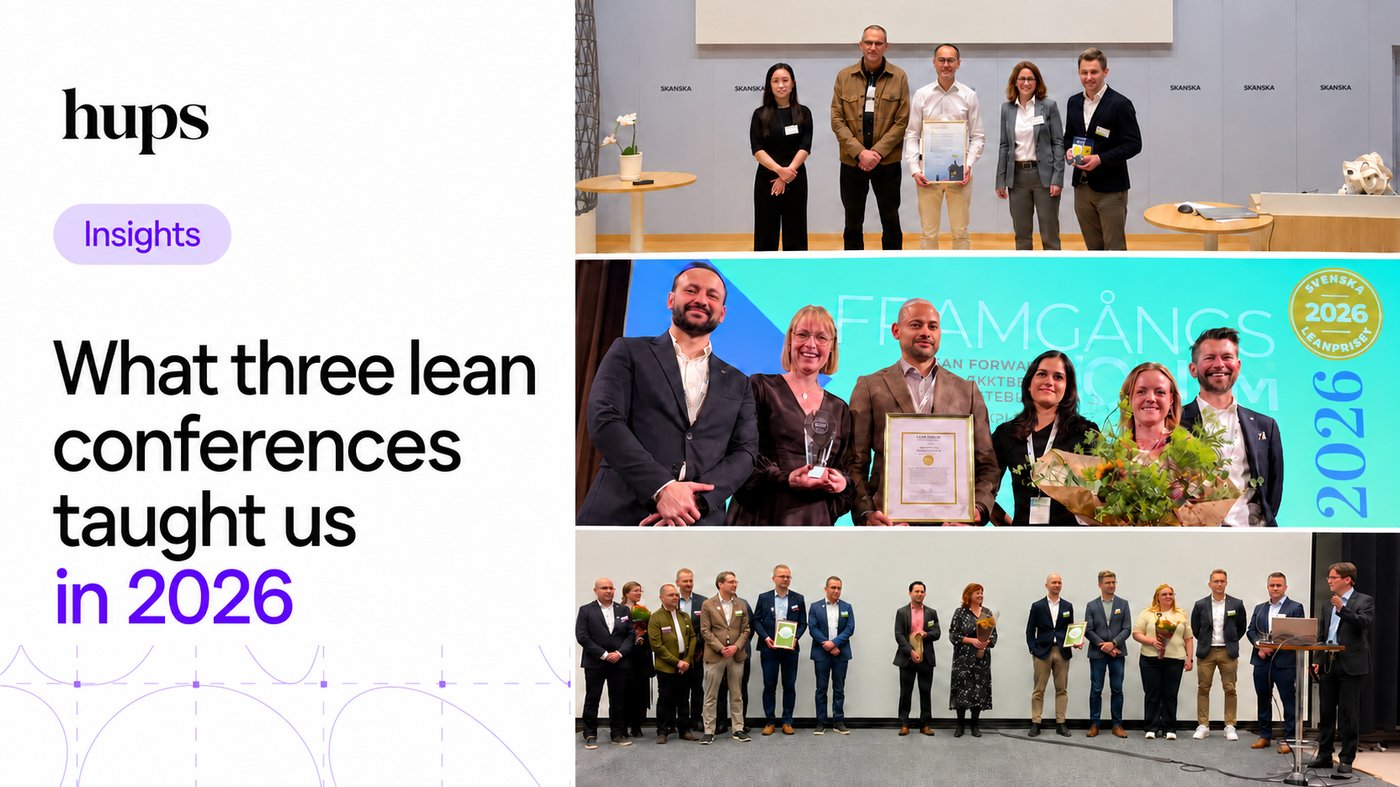
That was the clearest lesson from three conferences we attended in October 2026: Lean Management 2026 in Helsinki, Framgångsforum 2026 in Gothenburg and Lean Forum Bygg (Lean Forum Construction) 2026 in Stockholm. The speakers came from manufacturing, robotics, engineering and construction. The industries were different, but the pattern was the same.
Below are our takeaways from each event, what they had in common, and the questions we think leaders should ask in their own organizations.
Lean Management 2026, Helsinki
Improvement happens in daily work
Improvement is not a project that runs beside the daily work. It happens, or fails to happen, in the daily routines where teams look at their flow, find problems and decide what to do next.
That idea was at the center of our two days at Lean Management 2026, hosted by Suomen Lean-yhdistys (the Finnish Lean Association) in early October.
- Keynote. Our founder and CEO Niklas Modig gave the keynote "Daily Management Makes the Best Day".
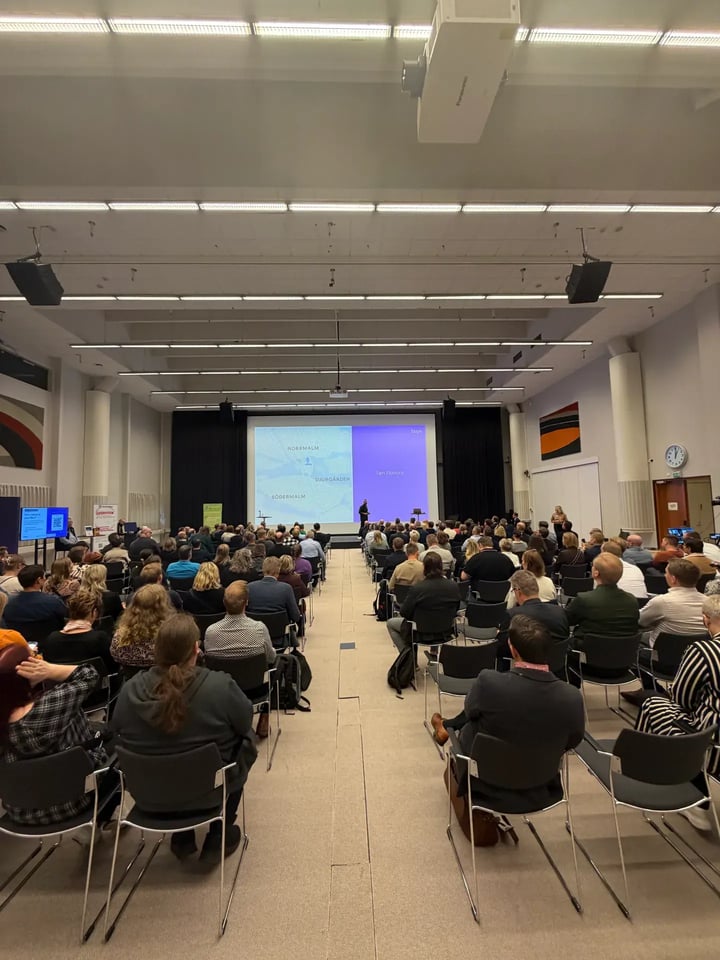
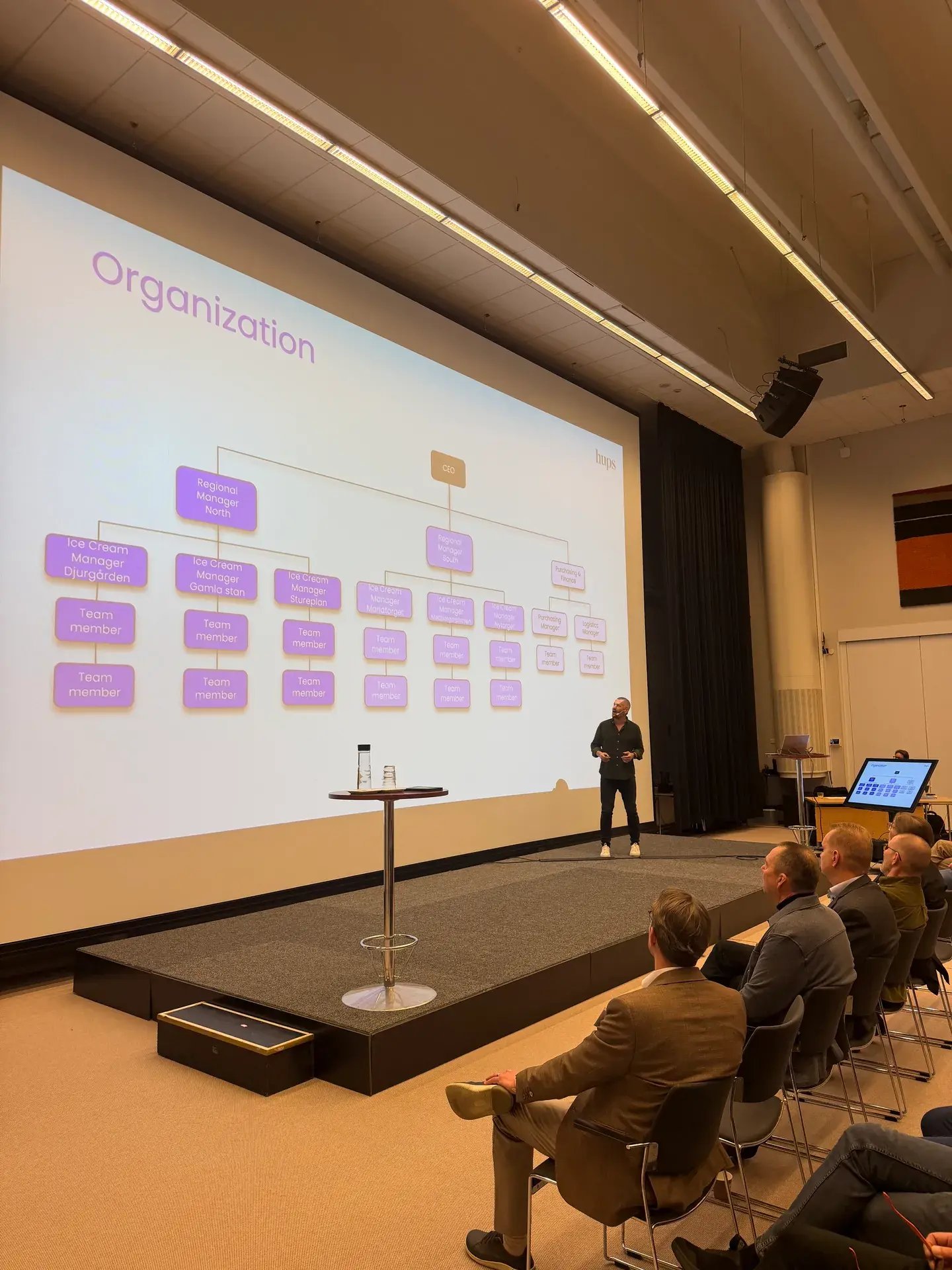
Niklas Modig on stage delivering a keynote.
- Workshop. On day one, our Operational Excellence Experts, Nicklas Grellson and Fredrik Fjellstedt ran a workshop on rapid flow improvement. Participants from many different companies brought their own perspectives, and the discussions were lively.
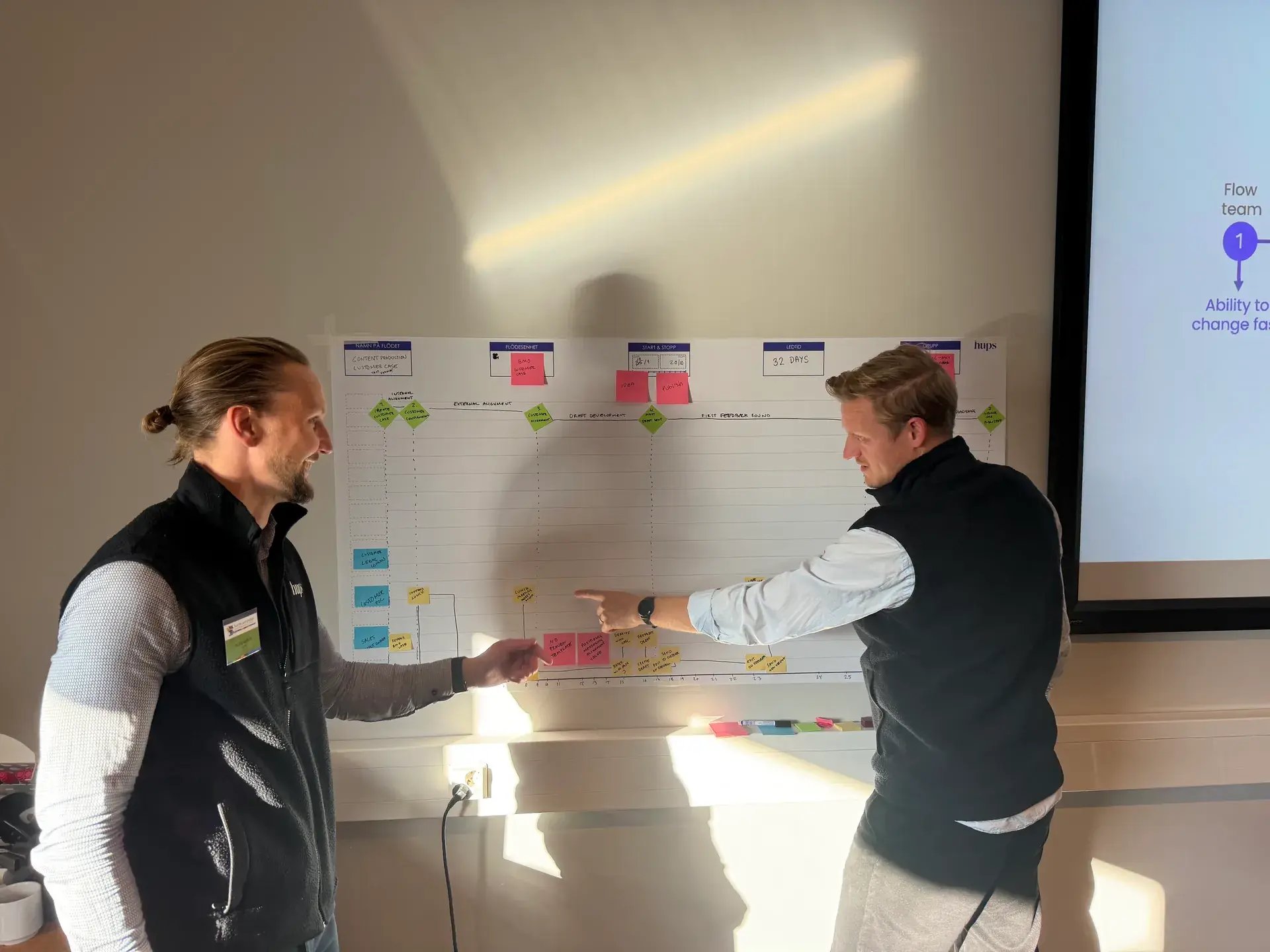
Nicklas Grellson and Carl Wadmark in action at our Rapid Flow Improvement workshop.
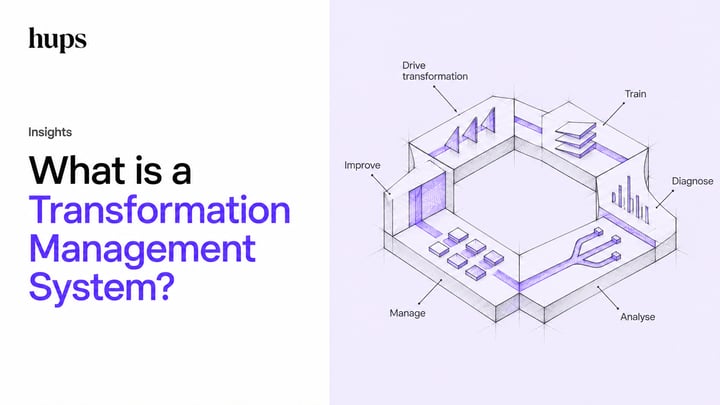
- Conversations. On day two, the Hups booth was busy with conversations about transformations, building capabilities and continuous improvement. We also showed our transformation management system (TMS).
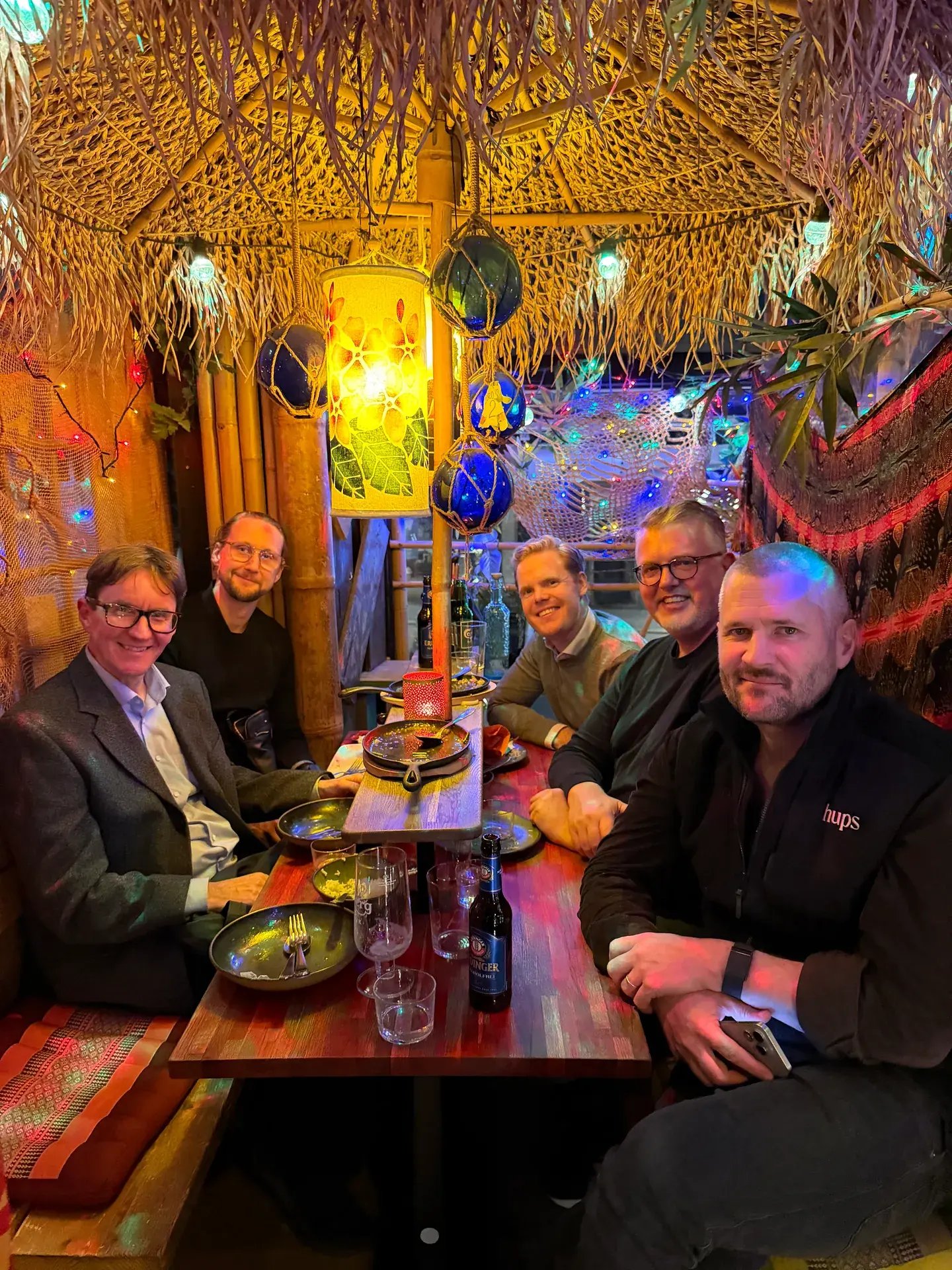
From left; Juha Tammi (General Manager Lean Association of Finland), Nicklas Grellson, Gustaf Folkmar, Fredrik Fjellstedt and Niklas Modig
The conversations kept coming back to capability. That matches what we see in our work: organizations want improvement to be part of how teams work every day, not something experts deliver in separate projects.
A question for leaders: How much of your managers' day goes to helping teams improve their work, compared to reporting on it?
Disclaimer: Unfortunately, most of the finalists’ keynotes were delivered in Finnish. As we don’t speak Finnish, we’re unable to summarise their key insights in a way that does them justice.
Framgångsforum 2026, Gothenburg
What the Swedish Lean Award finalists have in common
Seven of us (reps from Finance, Platform, Operations and GTM) from Hups attended Framgångsforum, Lean Forum's annual event. Our highlight was hearing the finalists share their journeys. Each organization showed the same principle in a different way.
The four finalists for Svenska Leanpriset 2026 (the Swedish Lean Award) all put people at the center. They develop capabilities, strengthen ownership and make it possible for everyone to contribute to continuous improvement.
| Organization | How they work | Reported result |
|---|---|---|
| Scania Industrial Batteries (winner) | Lean and agile practices in engineering. Clear roles and decision-making authority, teams learning together, and leaders who let people take responsibility. | Svenska Leanpriset 2026 |
| Västerdalarnas Mekaniska Industri AB | All eight employees involved from the start. Engagement linked to understanding why improvement matters and how it makes daily work better. | 200 improvements implemented in 12 months |
| HGF – AB Halmstads Gummifabrik | Practical training and leaders who coach fact-based problem-solving (improvement kata). | Release-agent consumption cut by half |
| ABB Robotics, Västerås | Persistent improvement over many years. | 90% higher efficiency over five years, without major investments in the existing factory |
The numbers matter less than the capability behind them
These figures measure different things, so they need context. You cannot compare a 90% efficiency gain with halved material use. What you can compare is how each organization learns.
Our CEO Niklas Modig pointed out one figure that does travel. Eight people implementing 200 improvements in twelve months is roughly two improvements per person per month. That rate is the capability. The results follow from it.
The award process reflects this. Finalists must show mature lean practices, concrete results and lessons others can learn from. The jury assesses long-term commitment, value-creating processes, people and partners, continuous improvement and learning. It then visits each finalist on site before choosing the winner.
Involvement needs conditions, and leaders own them
Our takeaways from the this is that involvement becomes meaningful when people understand the direction, develop the skills, have the authority to act and get support to improve their work. Creating those conditions once is not enough. Sustaining them is an ongoing leadership responsibility.
- Morning run. On day one, our CMO Carl Wadmark and CEO Niklas Modig arranged a relaxed morning run in central parts of Gothenburg. The run was highly appreciated by the few brave souls who joined the run at 06.45 in the morning.
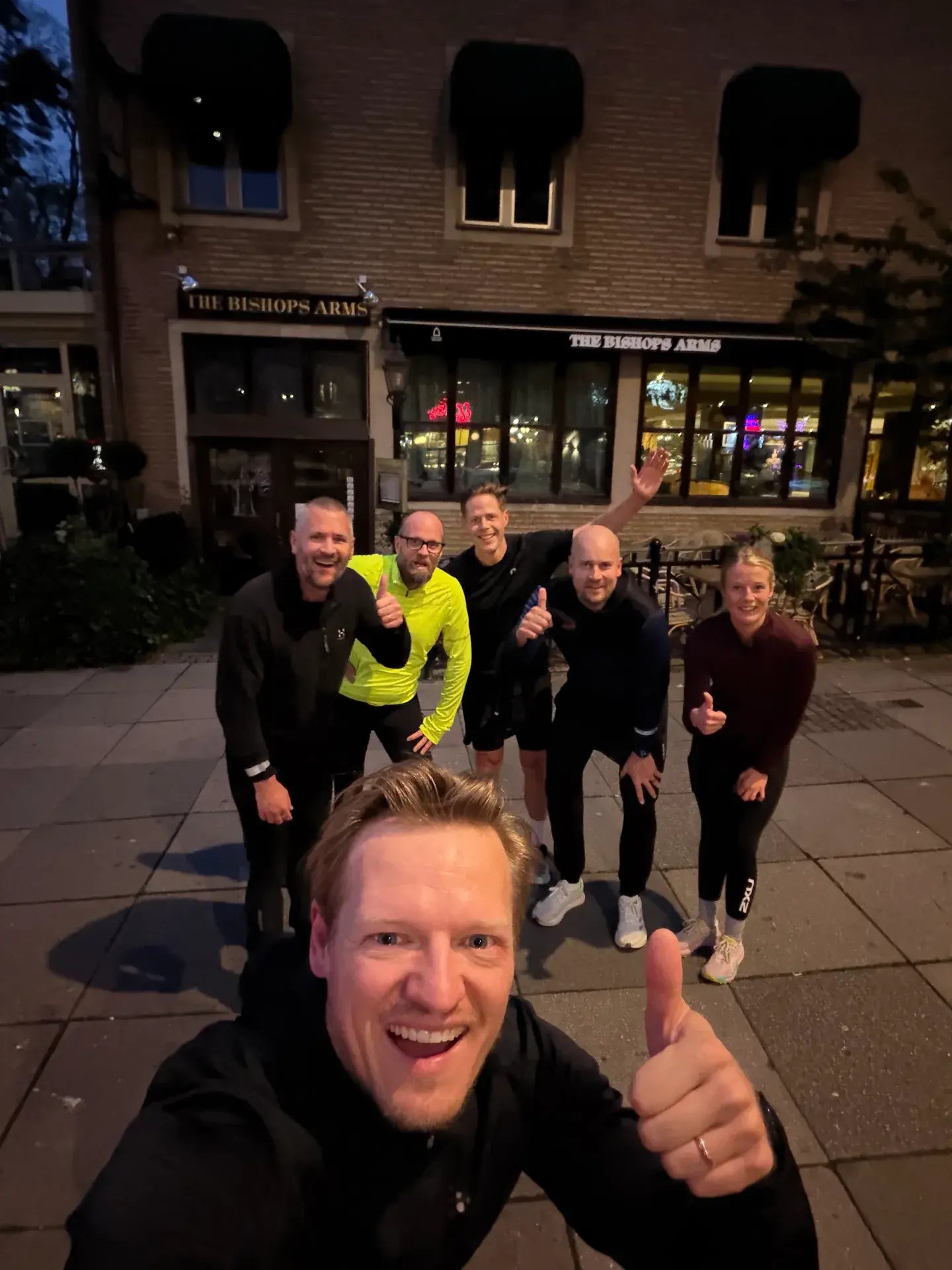
Hups CEO Niklas Modig and CMO Carl Wadmark hosted a morning run in Gothenburg.
- Keynote. Our founder and CEO Niklas Modig gave the keynote "The Art of Creating Engagement and Ownership". Additionally, Niklas used our Hups assessment feature live with 200+ people in the audiences. Each person got to self-assess their own flow of choosing to understand the level of maturity and to find room for improvements.
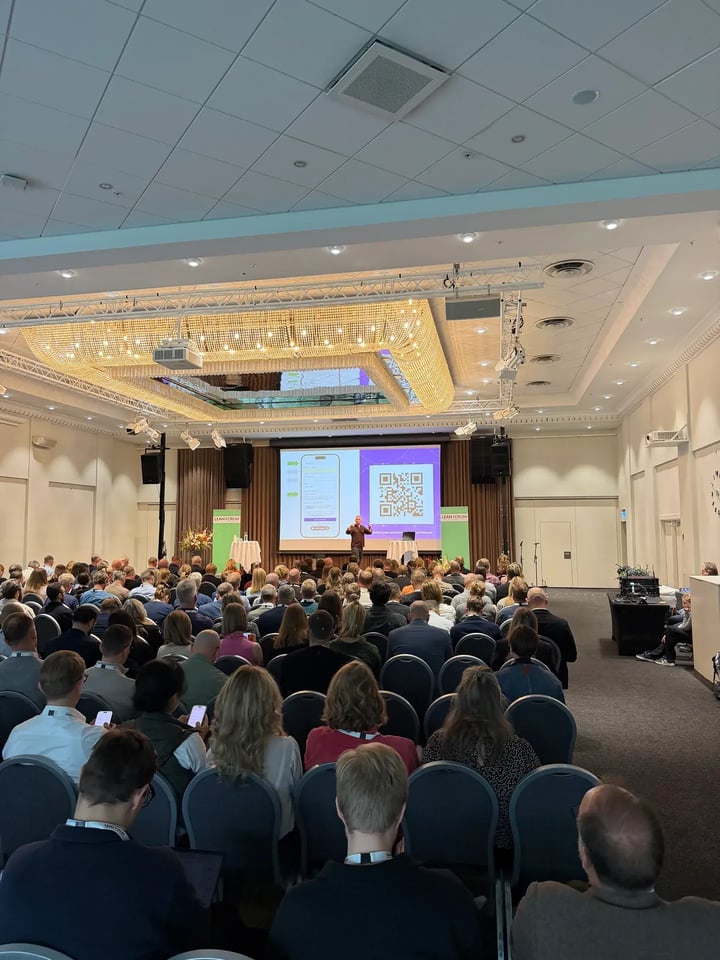
Hups CEO Niklas Modig on stage delivering his keynote.
- Workshop. On day two, our Opertational Excellence Experts, Nicklas Grellson and Fredrik Fjellstedt ran a workshop on rapid flow improvement. Participants from many different companies brought their own perspectives, and the discussions were lively.
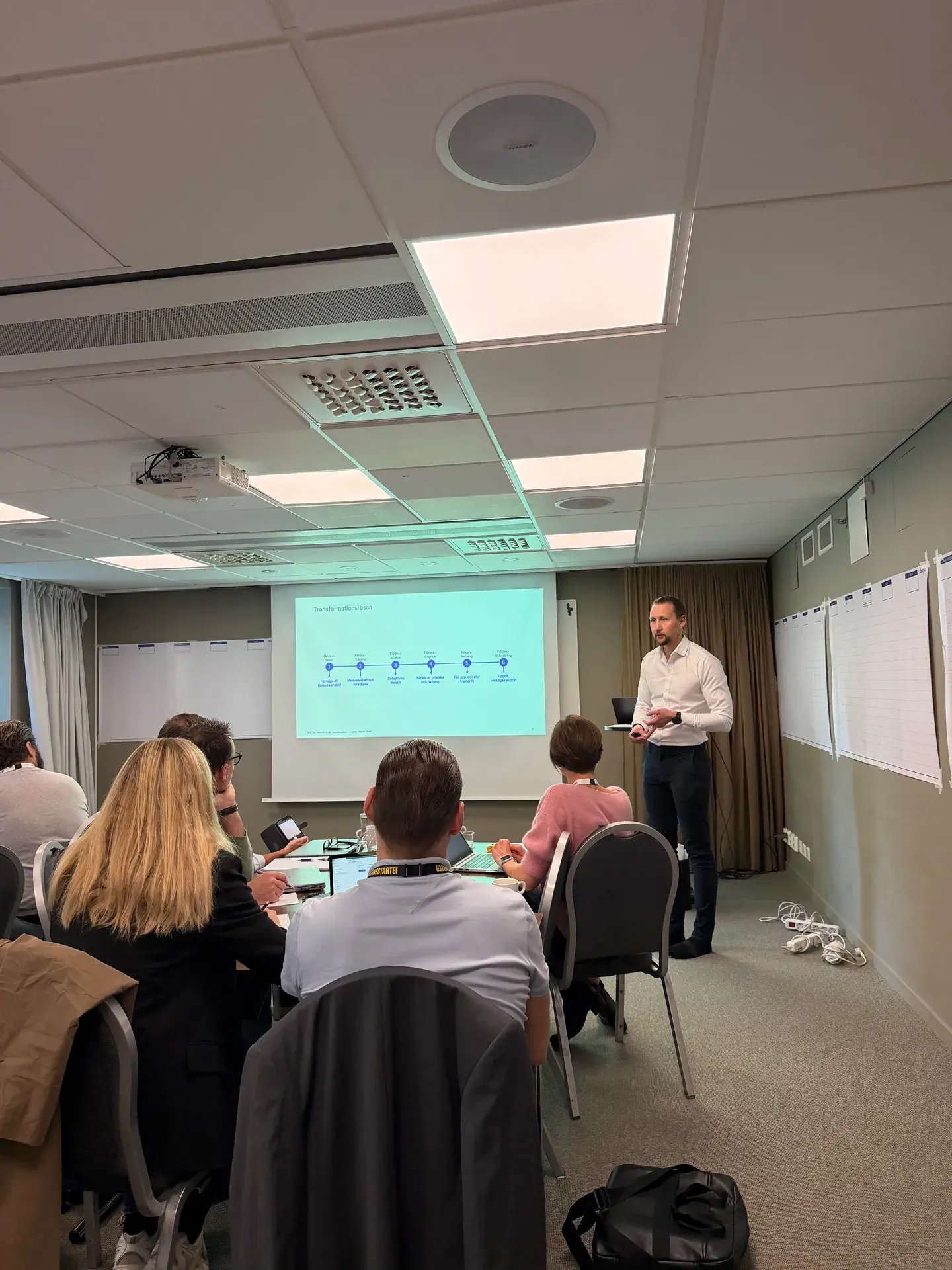
Hups Operational Excellence Expert Nicklas Grellson facilitating our Rapid Flow Improvement workshop.
- Conversations. The Hups booth was busy with conversations about transformations, building capabilities and continuous improvement. We also showed our transformation management system (TMS) and our assessment feature.
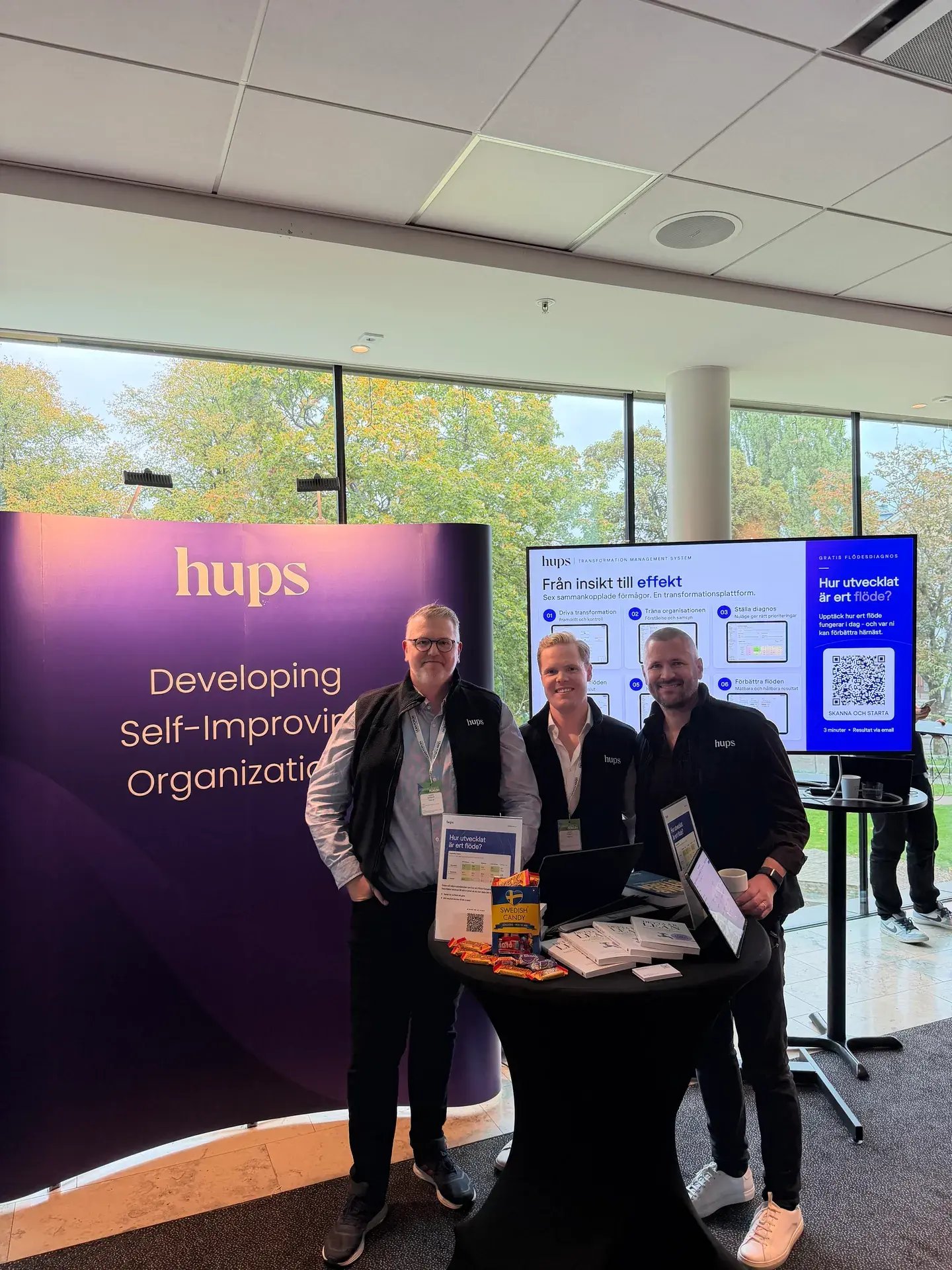
Hups crew Fredrik Fjellstedt, Gustaf Folkmar and Niklas Modig.
Lean Forum Bygg 2026, Stockholm
Construction cannot spend its way to flow
Sweden is about to build more than it has in decades: total defence, infrastructure and critical public buildings. More money alone will not deliver that. The construction sector also needs to change how it works.
This was the question in the room at Lean Forum Bygg (Lean Forum Construction) on 22 October. It was a first for us: Hups attended as a partner of Lean Forum Bygg.
Flow depends on everyone in the chain, including the client
Two talks showed that flow in construction is not only the contractor's job.
- Hans Thomas Holm, Statsbygg, spoke about what it takes for a client to dare to work with lean. Statsbygg is the Norwegian government's building and property agency.
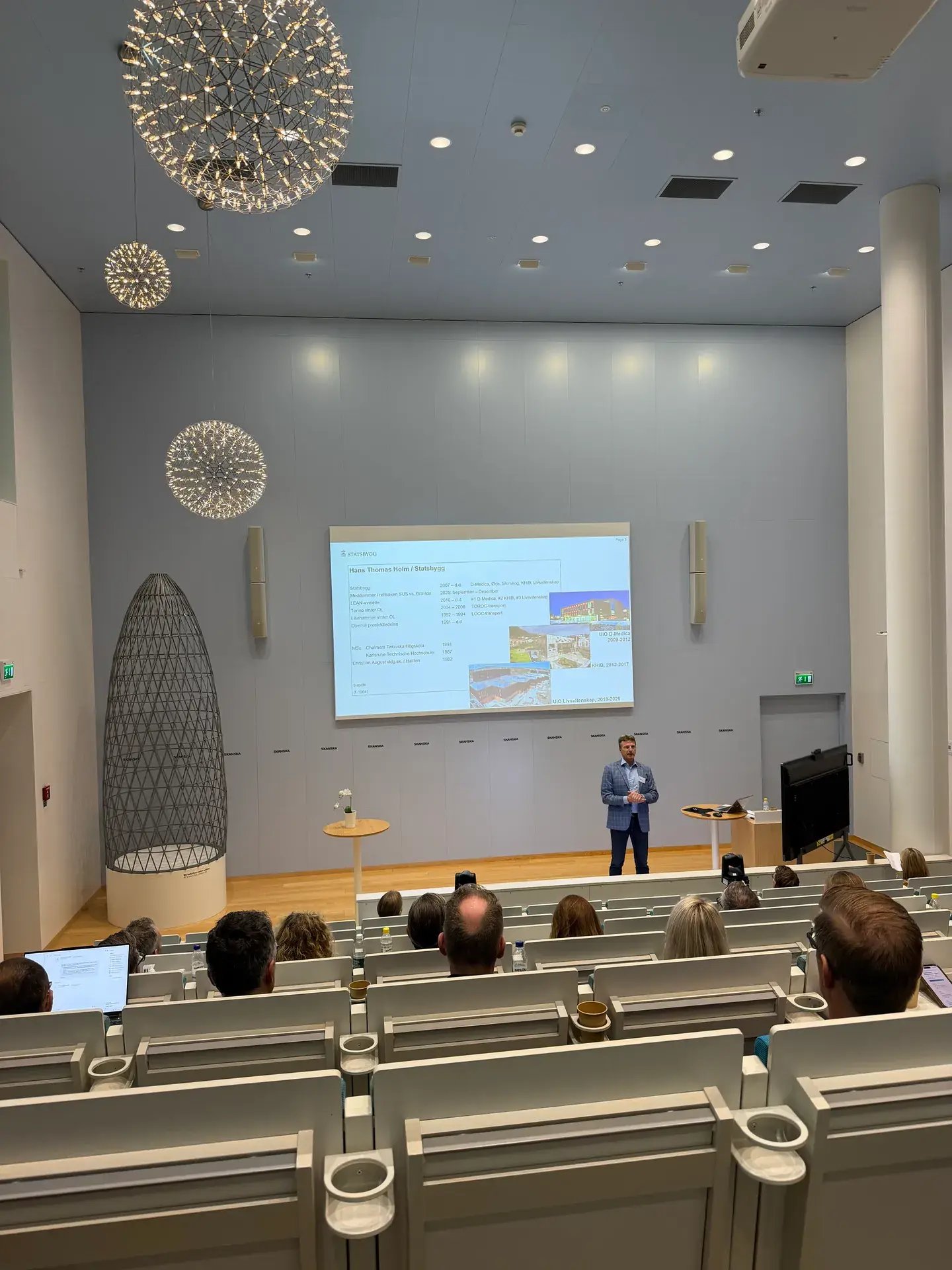
Hans Thomas Holm from Statsbygg delivering a presentation.
- Livia Lippl, BMW Group, spoke about takt planning in large building projects. In takt planning, the site is split into work areas, and each trade moves through them at a fixed rhythm, like a production line.
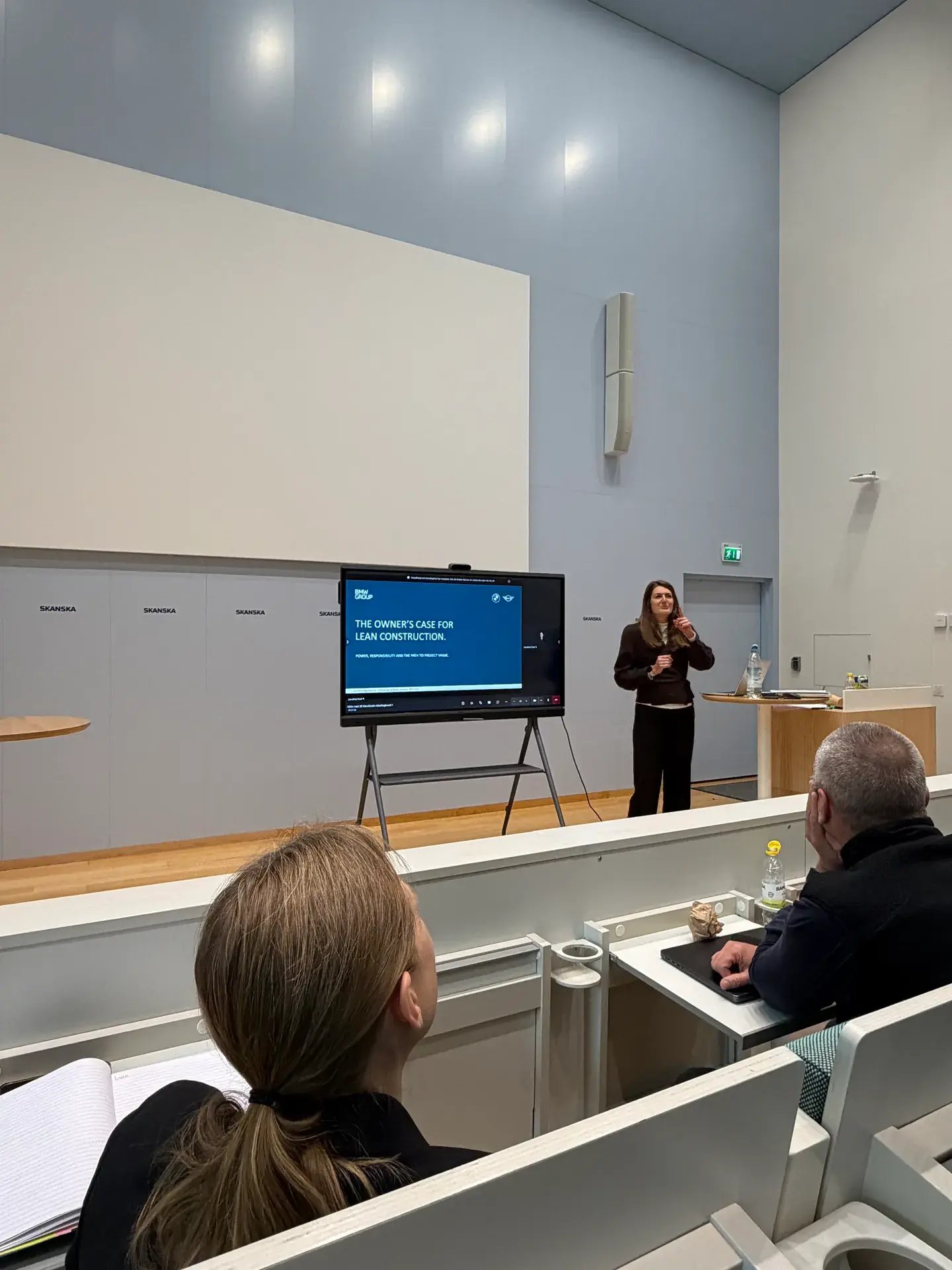
Livia Lippl at BMW Group delivering a presentation.
The common message: a contractor cannot create flow alone. The client's decisions, requirements and timing shape the flow as much as anything on site.
Three finalists, three results
Resona won Årets Lean-byggare 2026 (Lean Builder of the Year). The finalists showed what better flow looks like in practice.
| Organization | Reported result |
|---|---|
| Resona (winner) | Design time in a pilot project cut from 18 to 5.5 months |
| Skanska | Gap between planned and completed work in Project Olivin reduced by about 80% |
| Implenia Sverige AB | Lean embedded across the whole organization through visual management, standardized ways of working and LCS-certified training |
Results like these rarely come from people working harder. They come from better flow: plans that hold, less waiting, and problems found earlier.
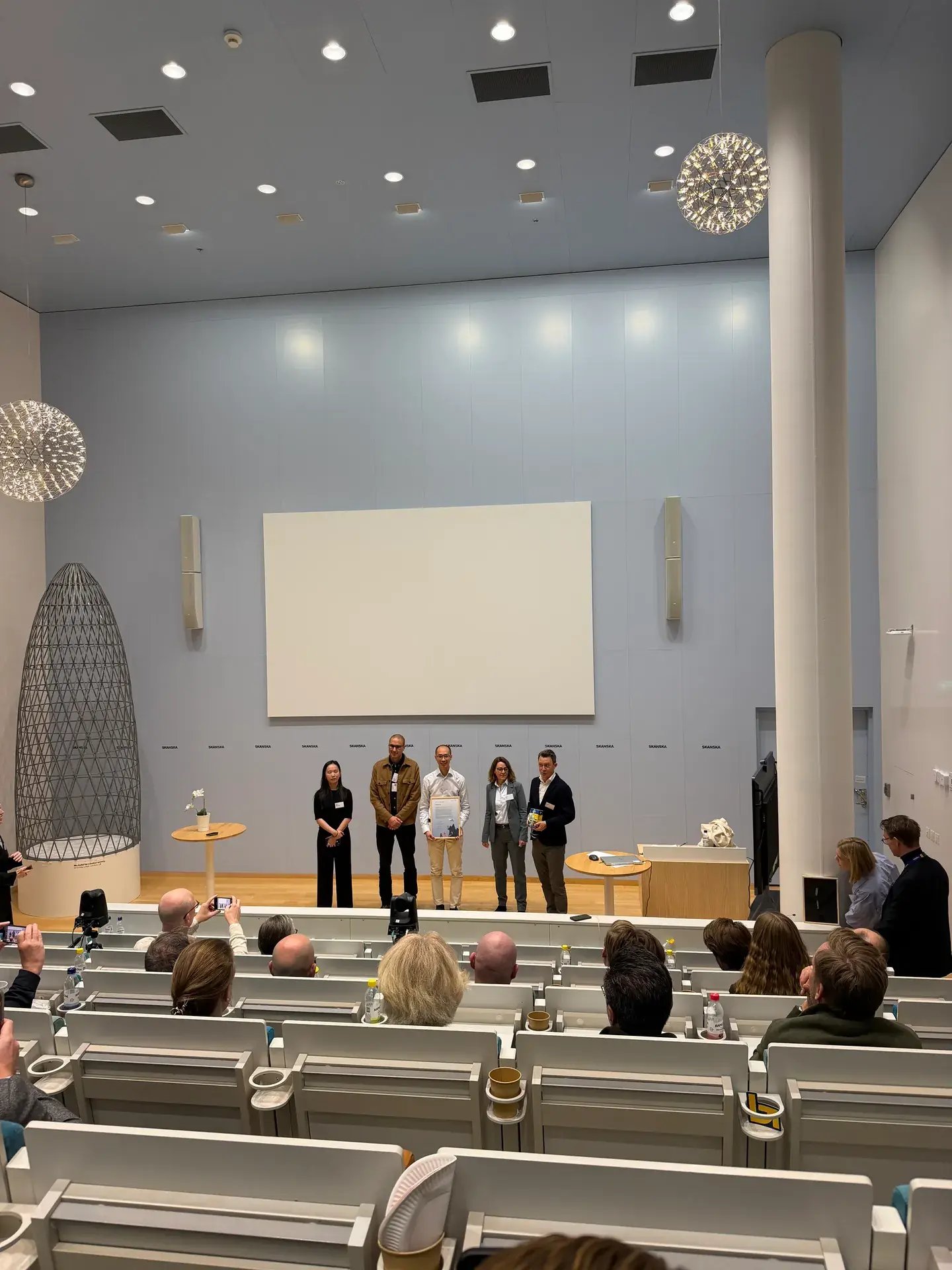
Resona receiving Årets Lean-Byggare 2026.
What the three conferences had in common
Across an eight-person manufacturer, a robot factory, an engineering organization and large construction projects, four lessons kept coming back.
- Capability explains results, not effort. The award winners did not succeed because their people worked harder. They built the ability to find and solve problems, and the results followed. In construction, the same point appeared as better flow: plans that hold and less waiting.
- Improvement is a daily leadership job. Scania's jury citation, the HGF coaching approach and the Helsinki keynote all point the same way. Leaders create the conditions for improvement in everyday work, and they have to keep doing it.
- Flow belongs to the whole system. One department cannot optimize its way to flow. In construction, the client is part of the chain. In engineering, roles and decision authority decide how fast work moves.
- Headline numbers need context. A 90% efficiency gain and a halved material use are not comparable. The rate at which people learn and improve is a better measure of where an organization is going.
Questions to ask in your own organization
You do not need to win an award to use these lessons. Start with these questions in your next leadership team meeting:
- How many improvements does each person in your organization implement per month? Do you know?
- Do your people understand the direction well enough to know which problems matter most?
- Do the people closest to the work have the authority to change it, or do they need approval for every step?
- How much time do your leaders spend coaching problem-solving, compared to reporting on results?
- Where does work wait in your flow, and who outside your team affects that waiting?
If the answers are unclear, that is a useful place to start.
Congratulations to Scania Industrial Batteries, Resona and all the finalists, and thank you to Lean Association of Finland, Lean Forum and Lean Forum Bygg for three inspiring events.
We already look forward to future events!